Economics guides
Plain guides to the ideas behind the numbers, each with its own original illustration. 52 guides are published, and more are added in batches.
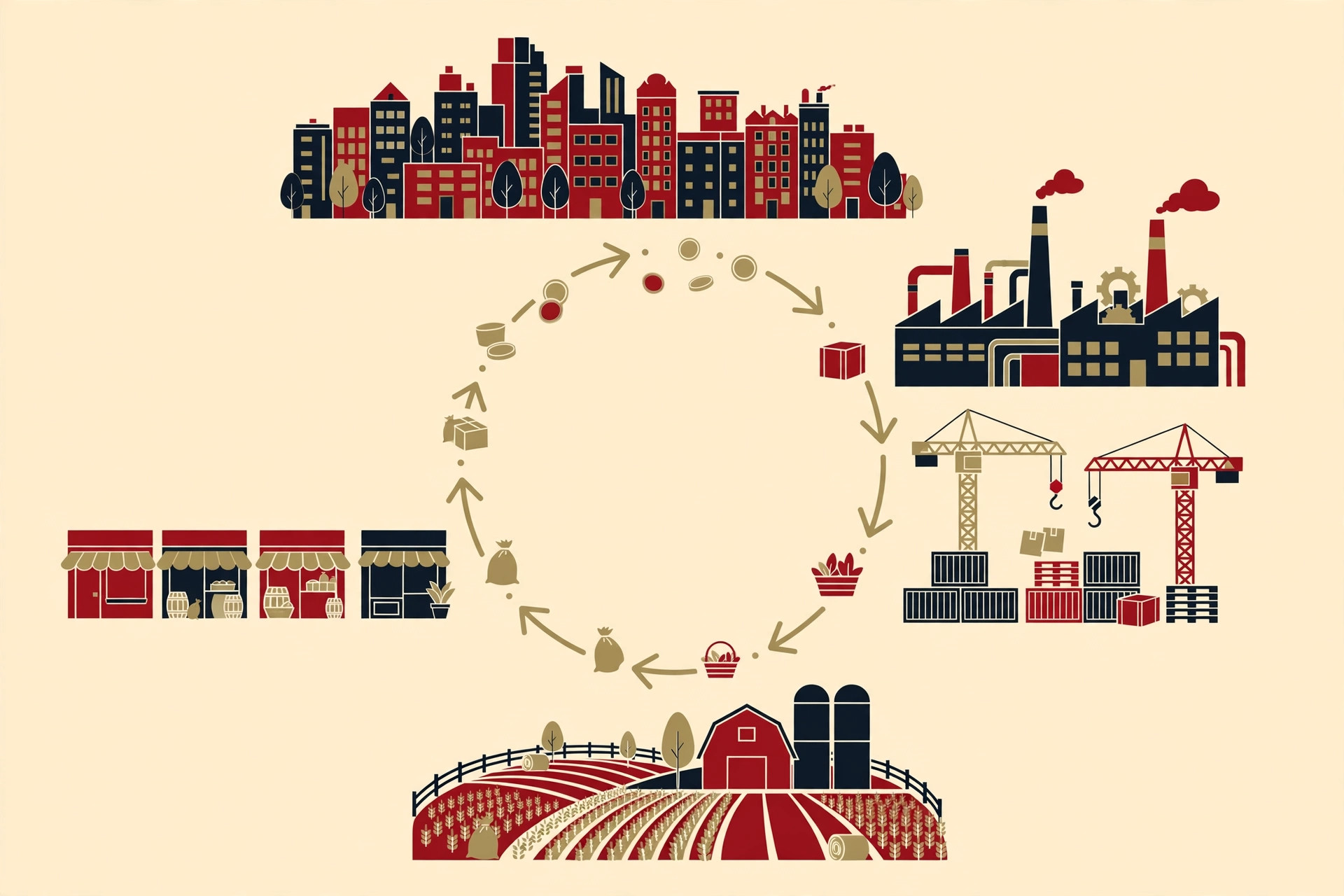
What Is GDP and Why Does It Matter?
Gross domestic product explained plainly: what it counts, what it leaves out, and why one number moves markets and elections.
Read the guide
Nominal vs Real GDP: The Difference That Matters
Why a growing GDP figure can be an illusion of rising prices, and how real GDP strips inflation out to show true growth.
Read the guide
GDP per Capita Explained: What It Says and What It Hides
Output per person is the standard yardstick for comparing living standards. Here is how it is built and where it misleads.
Read the guide
The GDP Deflator Explained Simply
The widest measure of prices in an economy: how the deflator is built from nominal and real GDP, and how it differs from the CPI.
Read the guide
What Is Inflation and Why Does It Happen?
Inflation is a fall in the buying power of money, measured as a rise in the general price level. This guide covers the measure and the meaning.
Read the guide
How the CPI Is Measured: Inside the Basket
Inside the consumer price index: the fixed basket, the monthly price collectors, and why your personal inflation differs from the headline.
Read the guide
What Causes Inflation? Demand, Costs and Money
Demand pulling prices up, costs pushing them up, and money growing too fast: the three classic engines of inflation, and how they combine.
Read the guide
How Inflation Quietly Eats Your Savings
Cash under the mattress is a melting asset. This guide shows the arithmetic of inflation erosion and what savers do about it.
Read the guide
Trade Surpluses and Deficits: Good, Bad or Neither?
A deficit is not losing and a surplus is not winning, whatever the speeches say. What the trade balance really records.
Read the guide
Comparative Advantage: Why Trade Makes Both Sides Richer
The most counterintuitive and most important idea in trade: even being worse at everything is no bar to gaining from exchange.
Read the guide
Tariffs Explained: Who Really Pays?
A tariff is a tax collected at the border. Who really pays it, what it protects, and what it quietly costs, explained without slogans.
Read the guide
Subsidies Explained: Help, and Its Price Tag
Governments pay firms and farmers to produce more, charge less, or simply survive. How subsidies work, and how to judge one.
Read the guide
What Is the Gini Coefficient? Inequality in One Number
One number between zero and one summarises how unequally income is shared. How the Gini coefficient is built from the Lorenz curve.
Read the guide
Income Inequality Explained: Measures, Causes and Effects
Inequality is not one fact but several: of income, wealth, opportunity and outcome. What the evidence says it does to growth and society.
Read the guide
The Economics of the Minimum Wage
Does a higher wage floor price people out of jobs, or does it correct an imbalance of power? The evidence is subtler than either slogan.
Read the guide
Externalities: When Prices Leave Someone Out
When a price leaves out a cost borne by strangers, markets misfire. Externalities, from smoke to traffic, and the menu of fixes.
Read the guide
Public Goods: What Markets Struggle to Provide
Some goods cannot be sold by the unit and cannot exclude non-payers. Why markets underprovide them, and what fills the gap.
Read the guide
The Invisible Hand: Adam Smith's Famous Idea
Adam Smith's most famous metaphor is also his most misquoted. What the invisible hand actually claimed, and where it stops.
Read the guide
Behavioural Economics: Why People Break the Models
People are not calculating machines: they procrastinate, follow herds and fear losses more than they love gains. Economics adjusted.
Read the guide
How to Read Economic News Without Being Fooled
Headlines shout, revisions whisper, and every statistic answers a narrower question than the story built on it. A field guide to reading economic news.
Read the guide
Deflation Explained: When Falling Prices Hurt
Falling prices sound like a gift. Economists fear them for good reasons: delay, debt and the deflationary spiral explained.
Read the guide
Hyperinflation Explained: When Money Breaks
When prices double in weeks and money dies in people's hands: what hyperinflation is, what causes it, and how it ends.
Read the guide
Stagflation Explained: The Worst of Both Worlds
Stagnation plus inflation was supposed to be impossible. The 1970s proved otherwise, and the word still haunts central banks.
Read the guide
Real Interest Rates Explained: The Rate That Counts
The interest rate that actually matters is the one left after inflation. The Fisher equation, the approximation, and why the gap matters.
Read the guide
What Is Unemployment and Who Counts?
Who counts as unemployed is a definition, not an opinion. This guide explains the labour force, the rate, and what the headline hides.
Read the guide
The Four Types of Unemployment Explained
Frictional, structural, cyclical and seasonal unemployment have different causes and different cures. Mixing them up wastes policy.
Read the guide
Labour Force Participation: The Hidden Jobs Number
The share of working-age people in work or looking for it quietly decides how rich a country can be. Here is why it matters.
Read the guide
Okun's Law: The Link Between Jobs and Growth
A rule of thumb connecting joblessness to lost output: where Okun's law came from, how to use it, and how far to trust it.
Read the guide
How Interest Rates Work and Why They Move
One price rules all the others: the price of borrowing money. How interest rates are set, how they spread, and what they steer.
Read the guide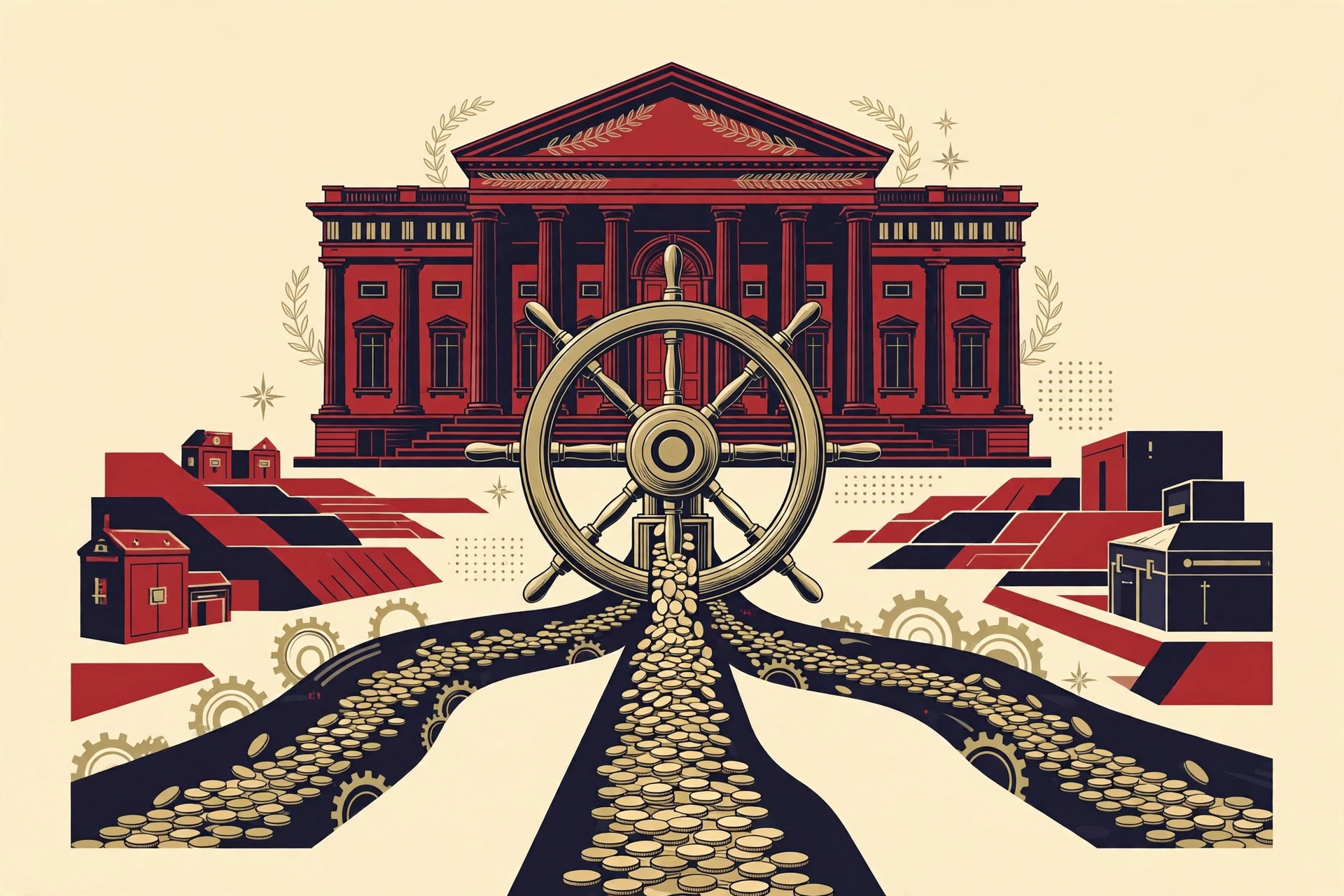
What Is Monetary Policy? A Plain Guide
Monetary policy is the central bank's side of economic management: one rate, a balance sheet, and a target for inflation.
Read the guide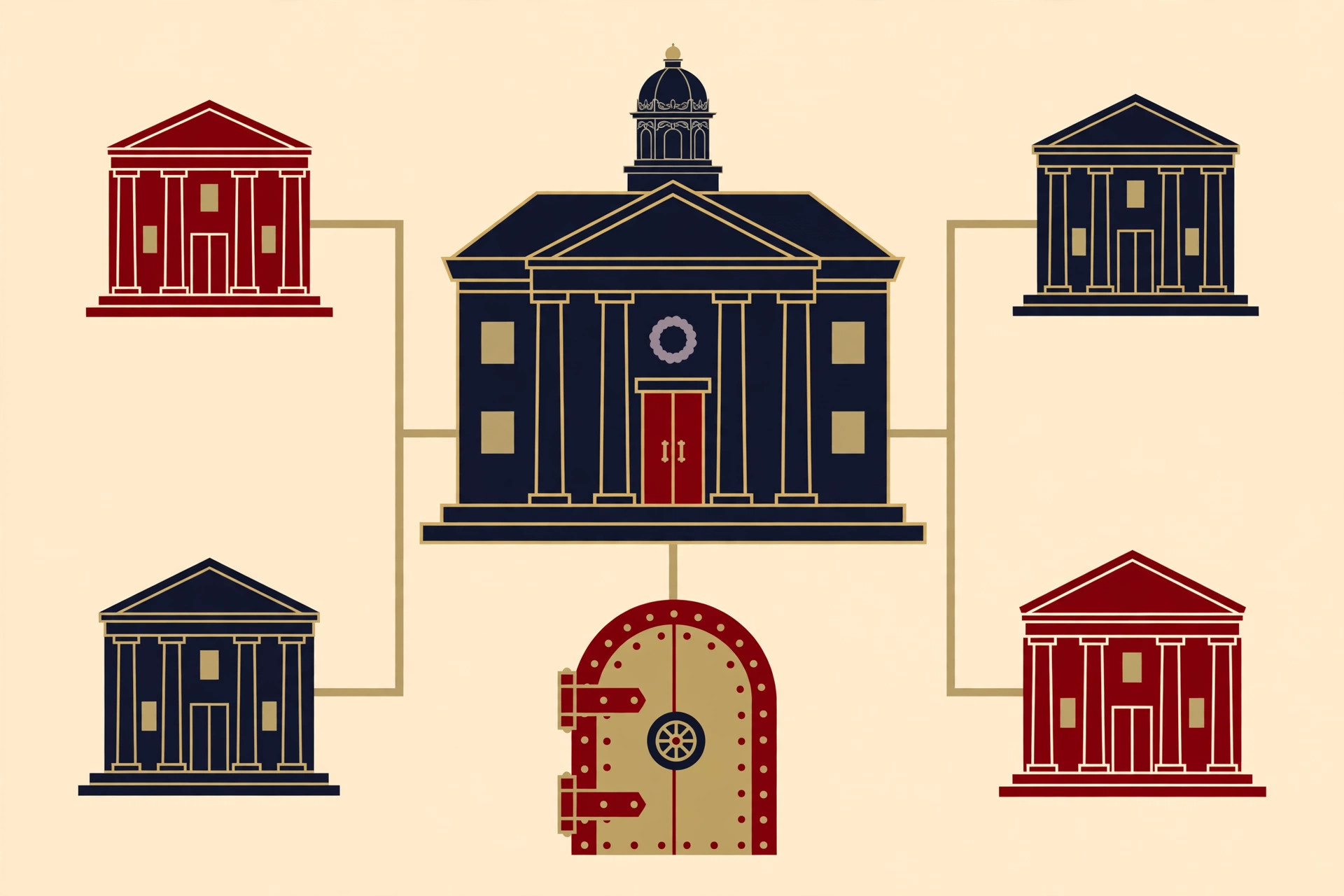
How Central Banks Work: The Bank Behind the Banks
Issuer of money, lender of last resort, and referee of inflation: the jobs of a central bank and why it is kept independent.
Read the guide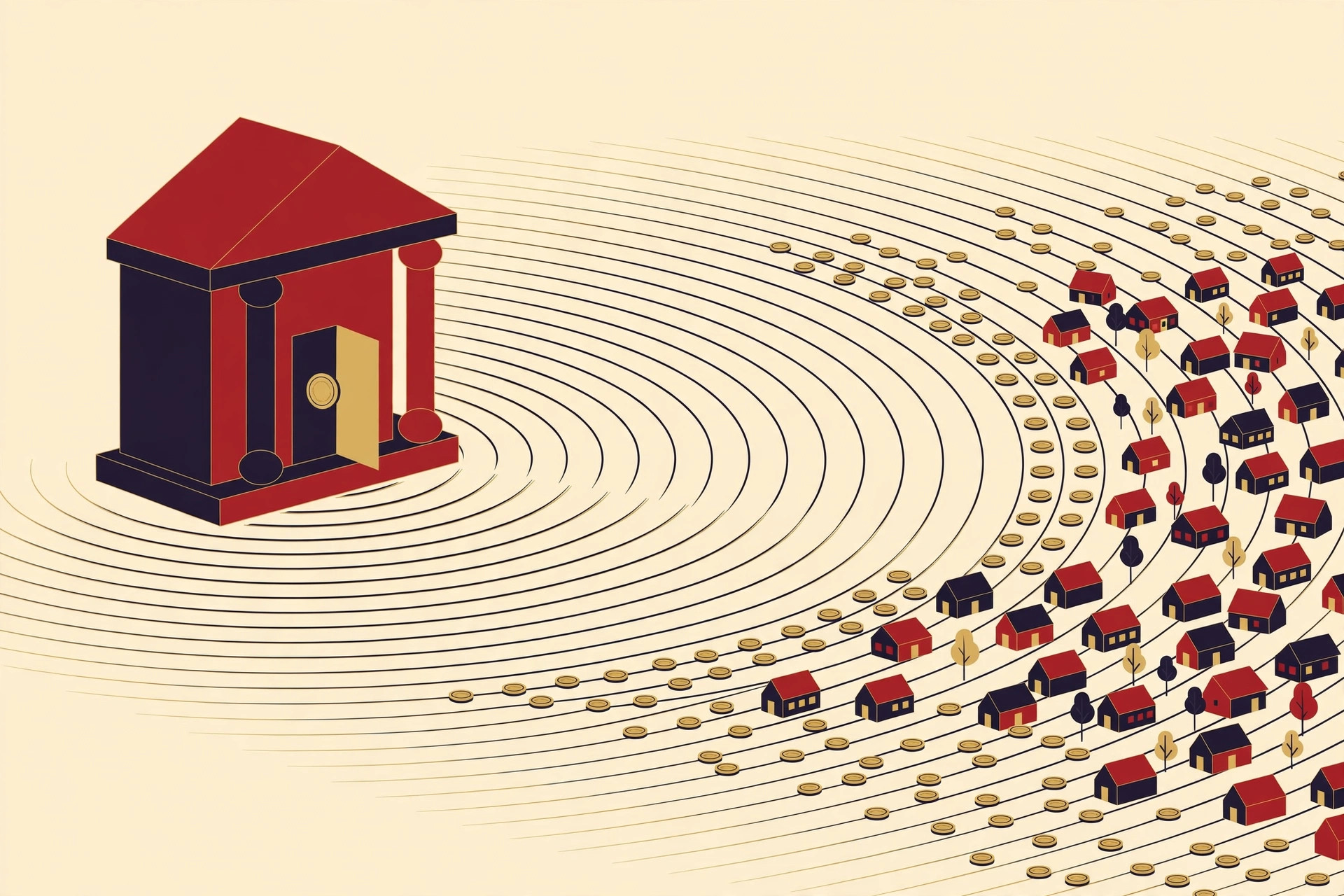
How Banks Create Money From Deposits
Most money is not printed. It is created by banks when they lend, and destroyed when loans are repaid. The multiplier shows the mechanics.
Read the guide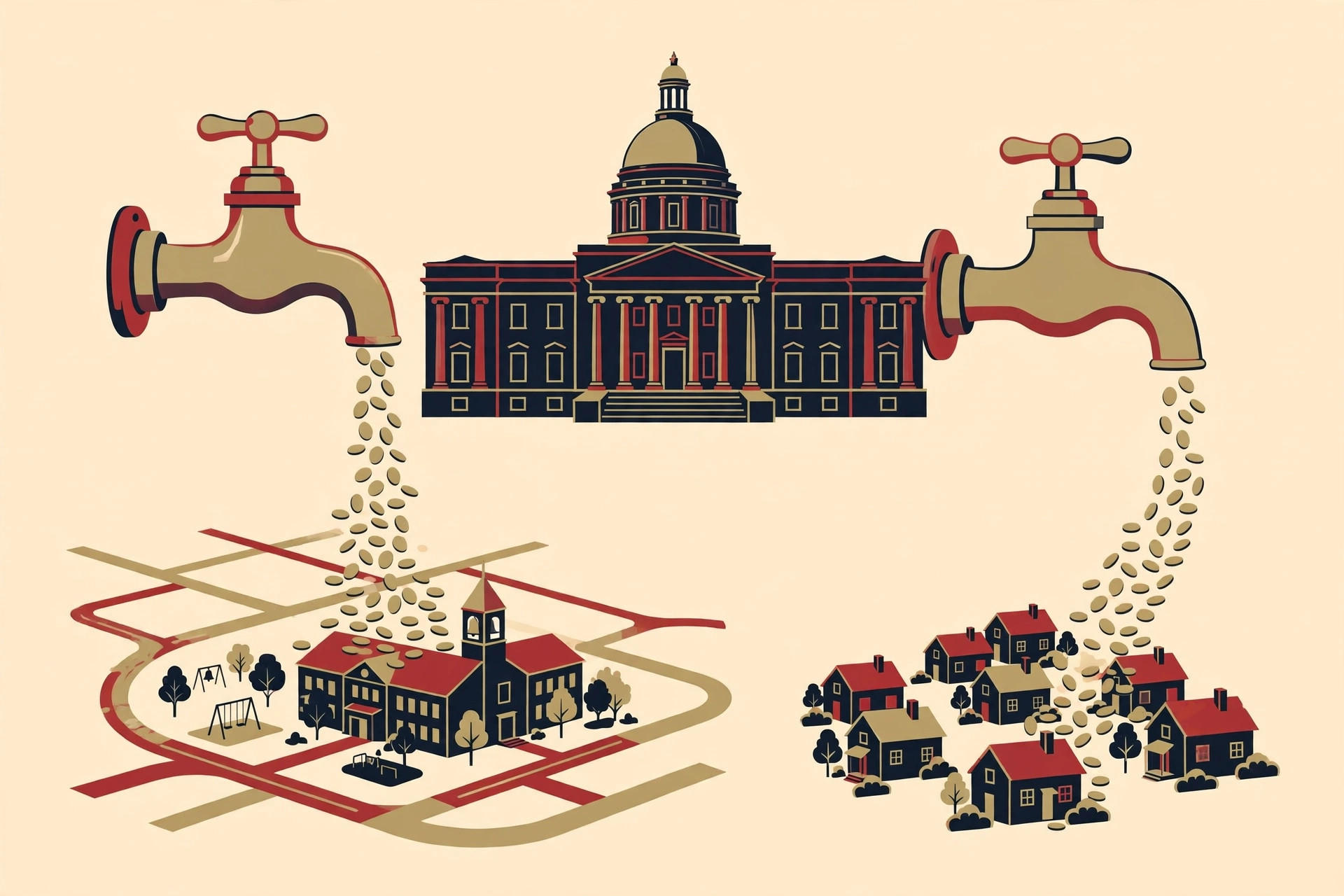
What Is Fiscal Policy? Governments, Tax and Spending
Taxes, spending and borrowing: the government's own lever on the economy, how it works, and the arguments it never escapes.
Read the guide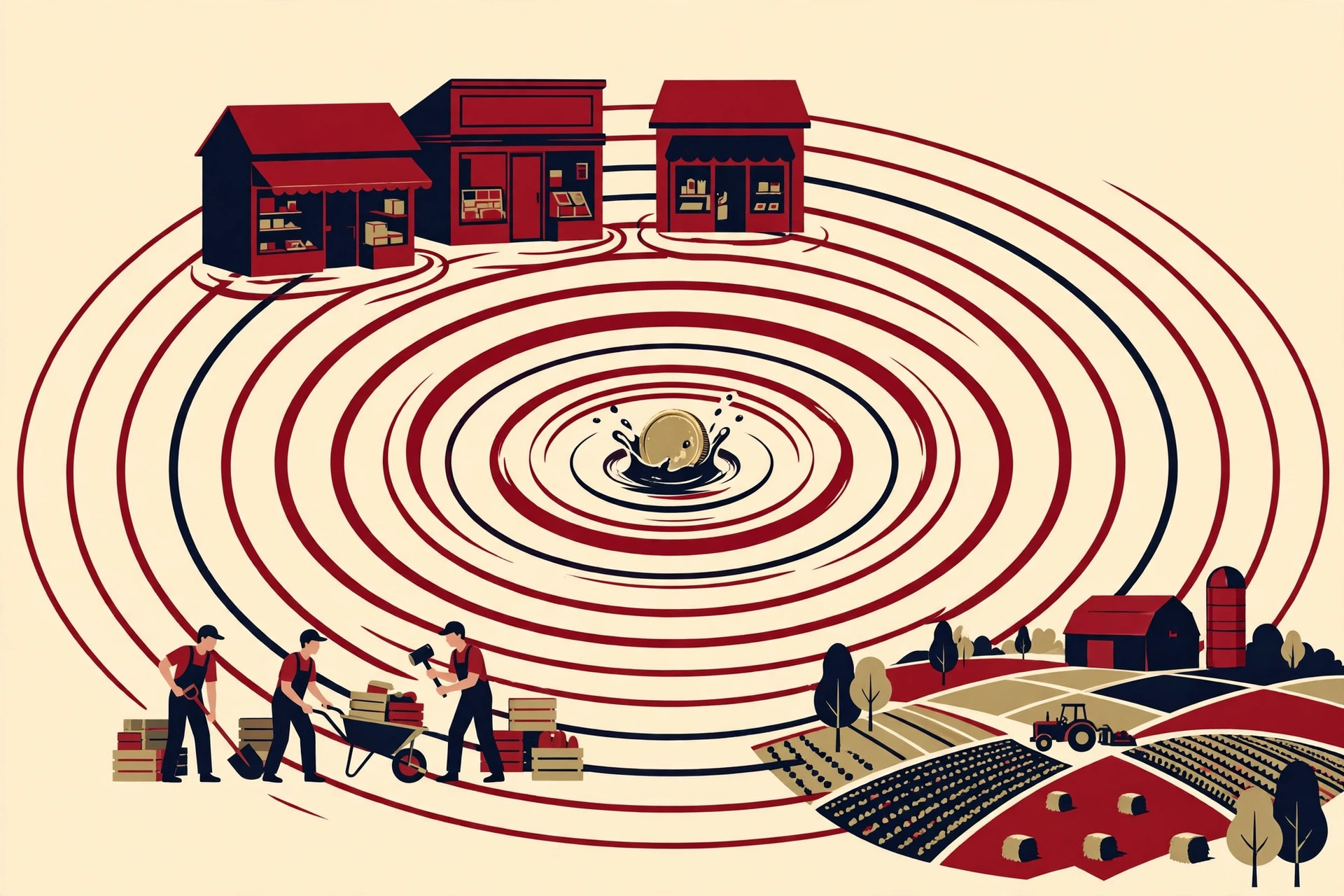
The Keynesian Multiplier: How Spending Ripples
One unit of spending becomes several units of income. The multiplier is the most influential idea in crisis economics, explained.
Read the guide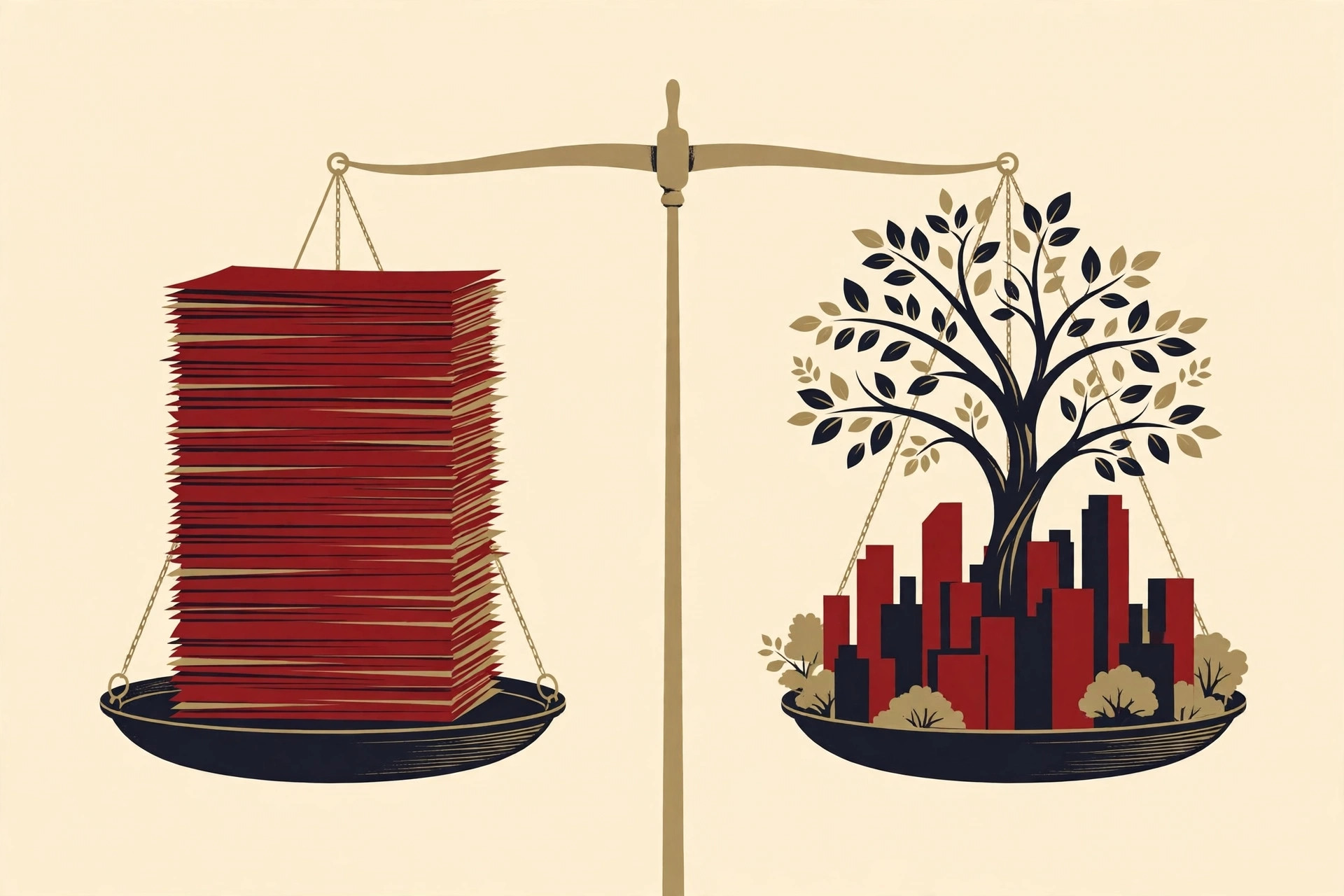
National Debt Explained: When Borrowing Matters
How much national debt is too much has no single answer, but the arithmetic has rules. Growth, interest rates and the debt ratio explained.
Read the guide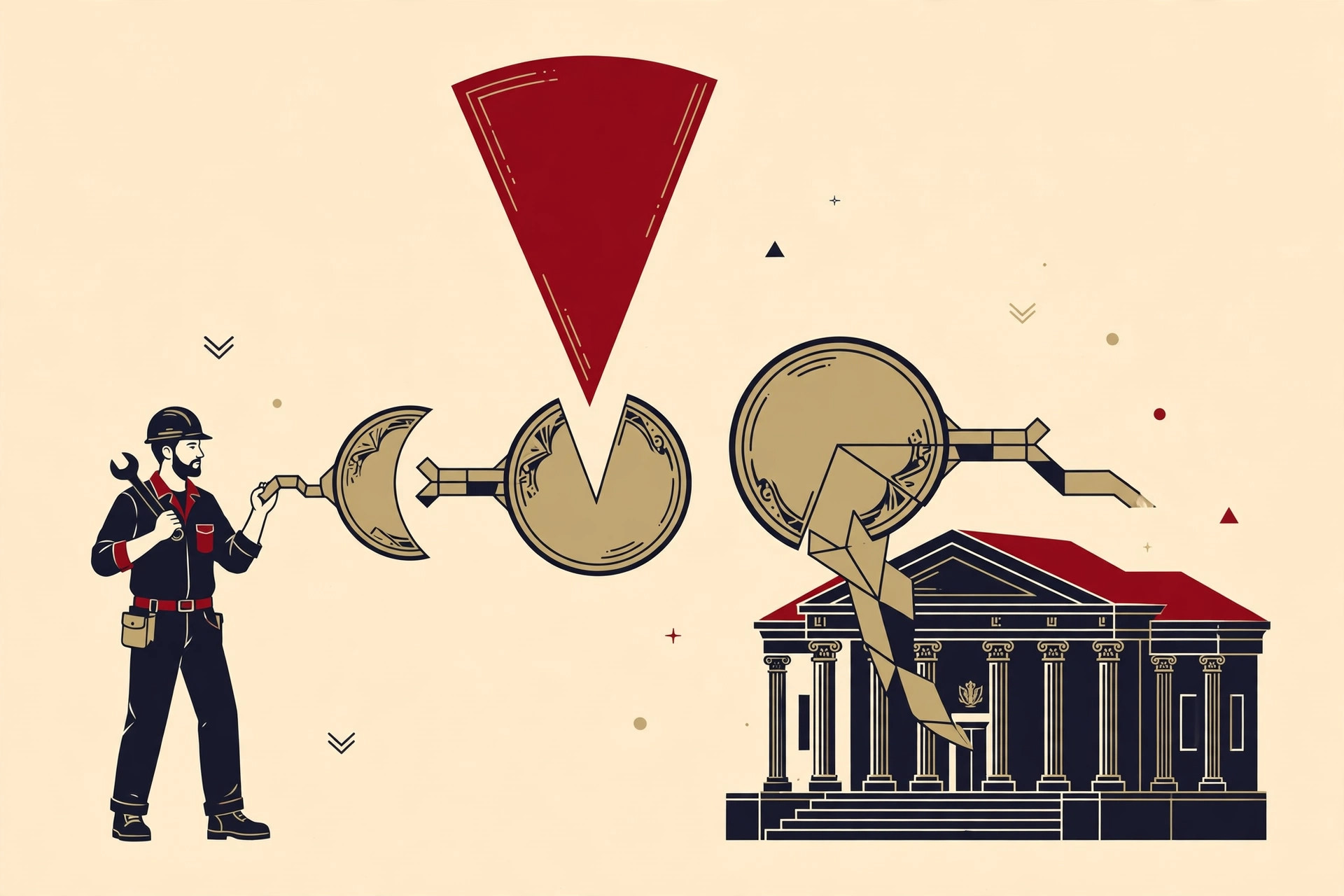
The Tax Wedge: Why a Job Costs More Than It Pays
The gap between what a job costs an employer and what the worker takes home is the tax wedge. Why economists measure economies by it.
Read the guide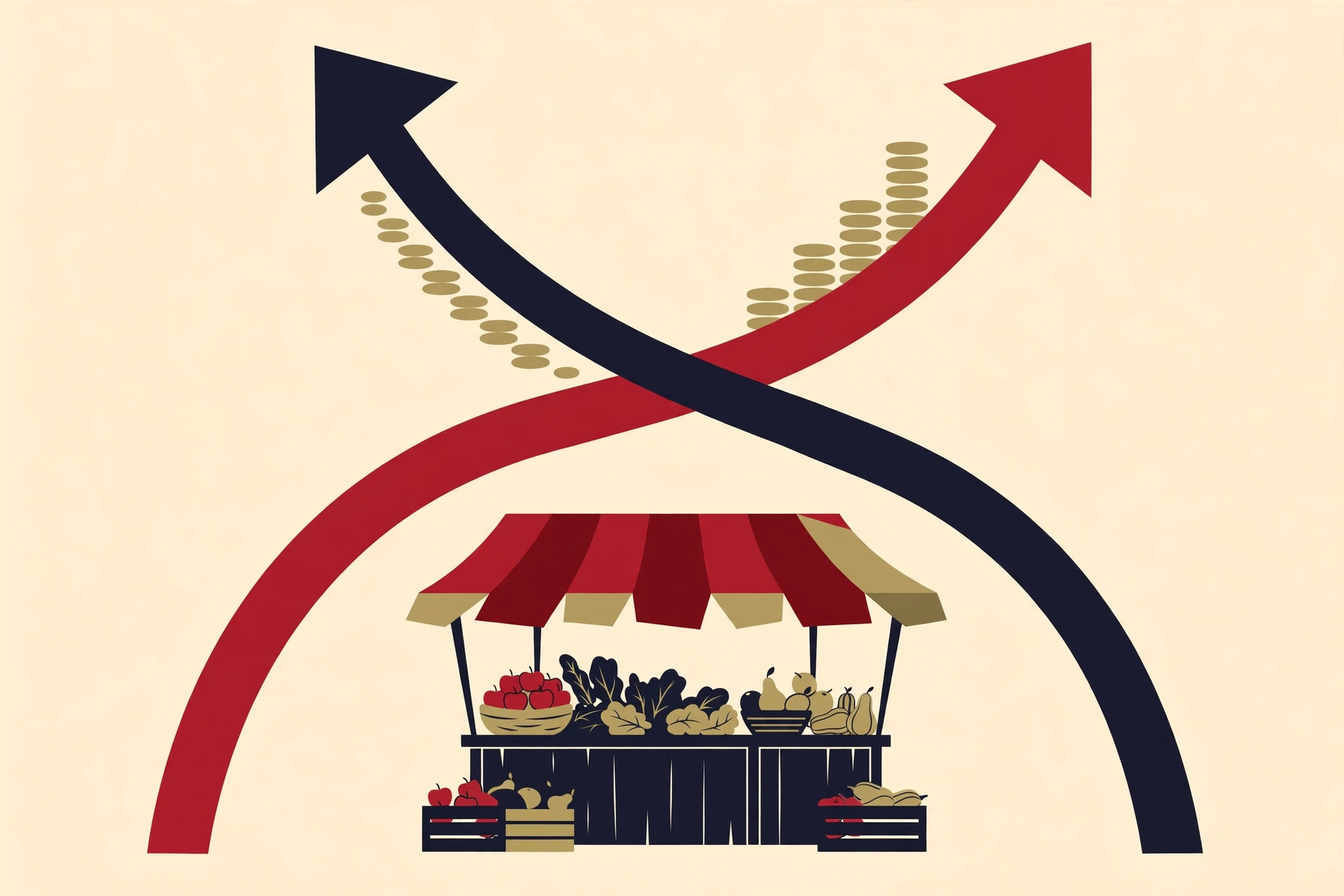
Supply and Demand: The First Model in Economics
Two curves explain more of daily life than any other picture in economics. How supply and demand find a price, and what shifts them.
Read the guide
Price Elasticity of Demand Explained With Examples
Elasticity measures how much buyers flinch when prices move. Petrol barely flinches; restaurant meals run away. The maths and the meaning.
Read the guide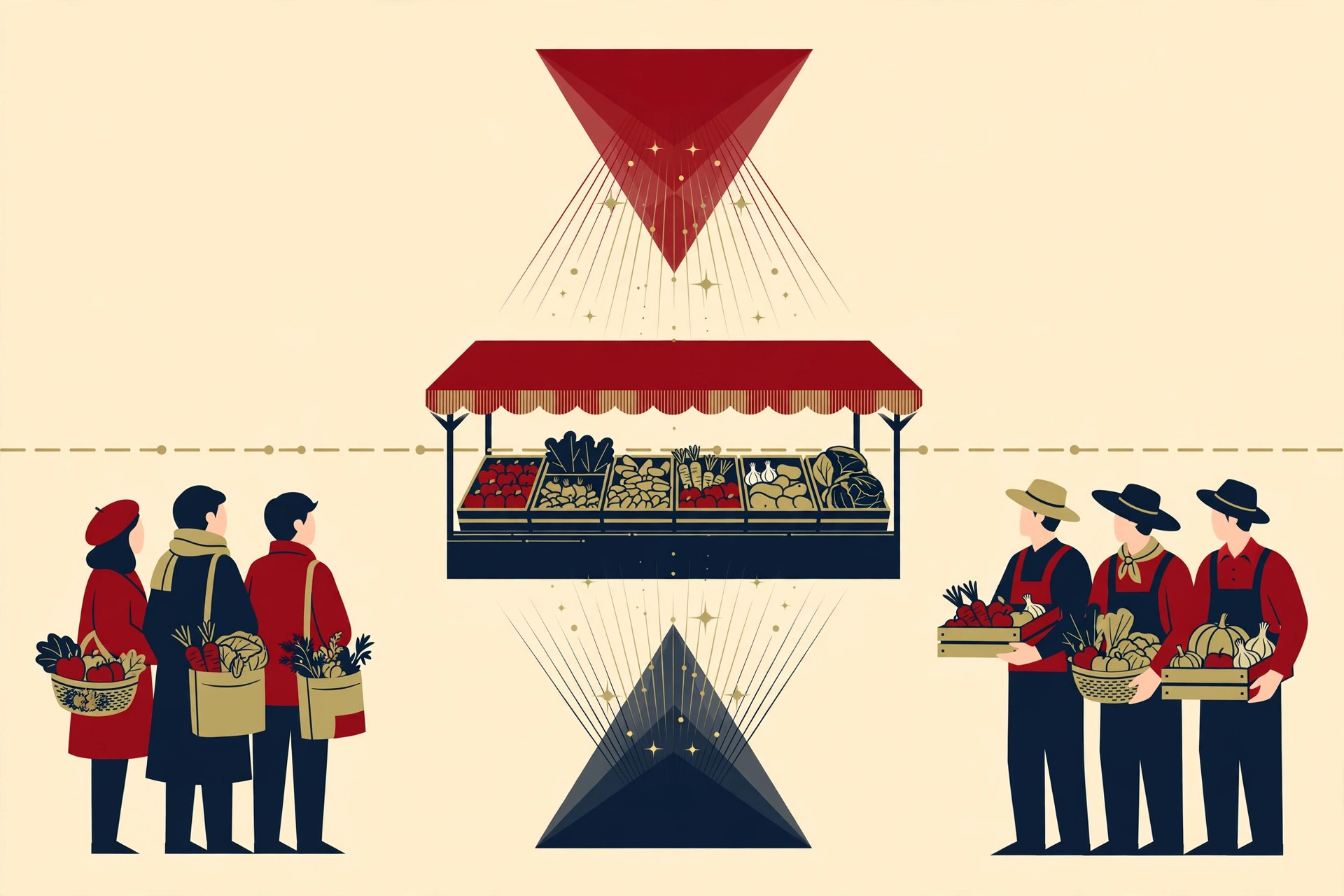
Consumer and Producer Surplus: Who Gains From Trade?
Every voluntary trade creates two triangles of gain. Consumer and producer surplus measure who gains from markets, and how much.
Read the guide
Opportunity Cost: Every Choice Costs Something
The true cost of anything is what you give up to get it. Opportunity cost is the idea that turns choices into economics.
Read the guide
Marginal Cost Explained: The Cost of One More
Decisions are made at the margin: one more unit, one more hour, one more customer. Why marginal cost rules business thinking.
Read the guide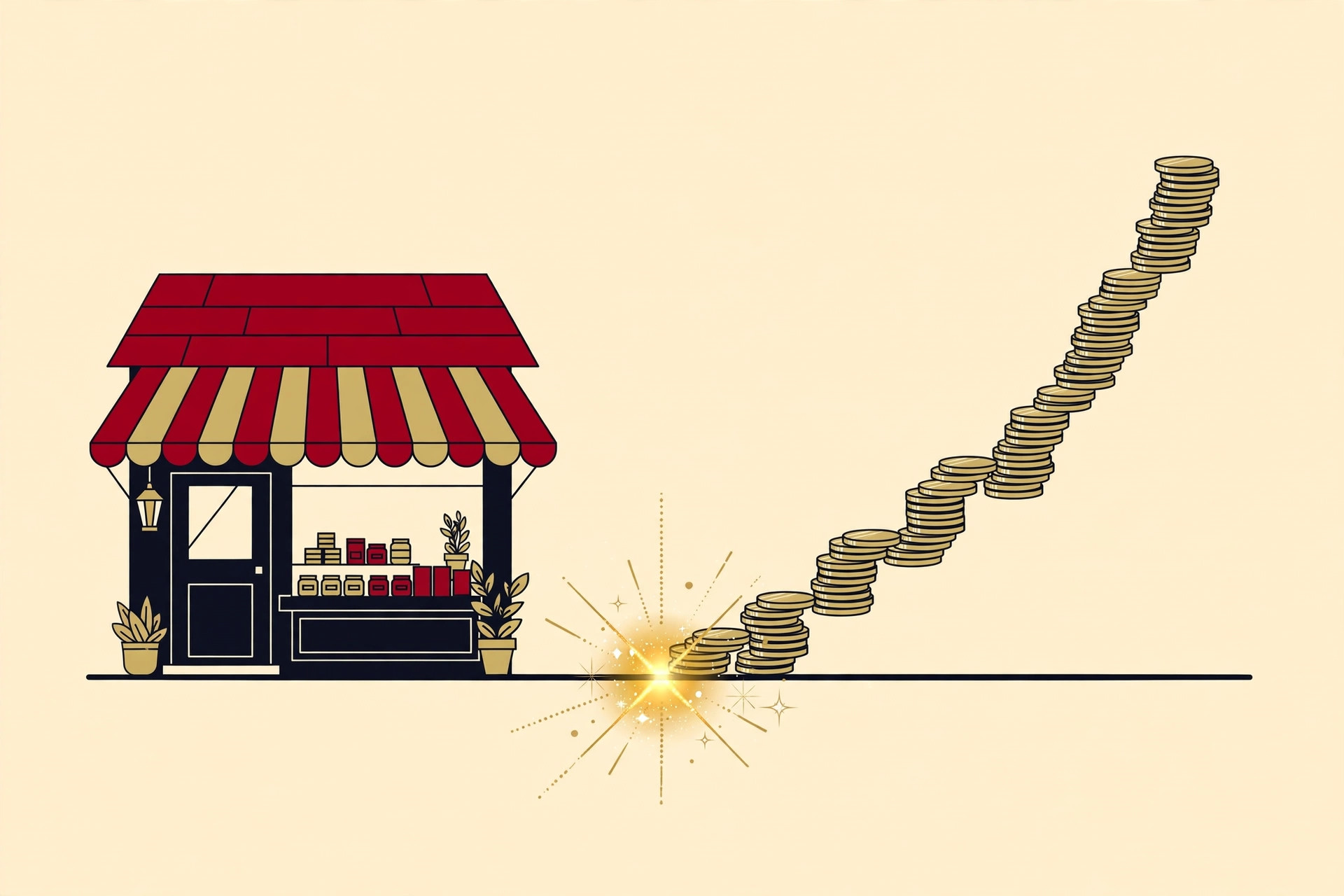
Break-Even Analysis: When a Business Starts Winning
Before a business makes a profit it must cross one line. Break-even analysis finds that line and shows how price and costs move it.
Read the guide
How Firms Set Prices: Demand, Costs and Profit
Cost-plus, competitor matching, or value pricing? How firms really choose a price, and the economic logic underneath each method.
Read the guide
Monopoly vs Competition: Why Market Power Matters
One seller or many changes everything: prices, output, innovation and the size of the gains from trade. The comparison that organises industrial economics.
Read the guide
What Is a Recession and How Is It Called?
Two quarters of falling GDP is the famous rule, but the real definition is broader. How recessions are identified, and why it matters.
Read the guide
Economic Growth Explained: How Countries Get Richer
Growth is compound interest applied to nations: slow, unglamorous, and the most powerful force in economic history.
Read the guide
The Business Cycle: Booms, Busts and Recoveries
Economies breathe in long waves of boom and correction. The phases of the business cycle, what drives them, and what policy does about them.
Read the guide
The Phillips Curve: Jobs Versus Prices
The Phillips curve promised a menu: choose your mix of inflation and unemployment. History served something else. The idea, its fall, and its afterlife.
Read the guide
Exchange Rates Explained: What Moves a Currency
An exchange rate is a price, the price of one money in terms of another. What sets it, how to quote it, and who wins when it moves.
Read the guide
Why Currencies Rise and Fall
Interest rates, trade, inflation and fear: the forces that lift one money against another, and why forecasts of them fail so often.
Read the guide
Purchasing Power Parity: The Burger Test of Currencies
The law of one price across borders: why a burger became an economic index, and what PPP can and cannot tell you.
Read the guide
Terms of Trade: Getting More for What You Sell
Export prices divided by import prices decides how much of the world's goods a country's work can buy. The terms of trade, explained.
Read the guide