Price Elasticity of Demand Explained With Examples
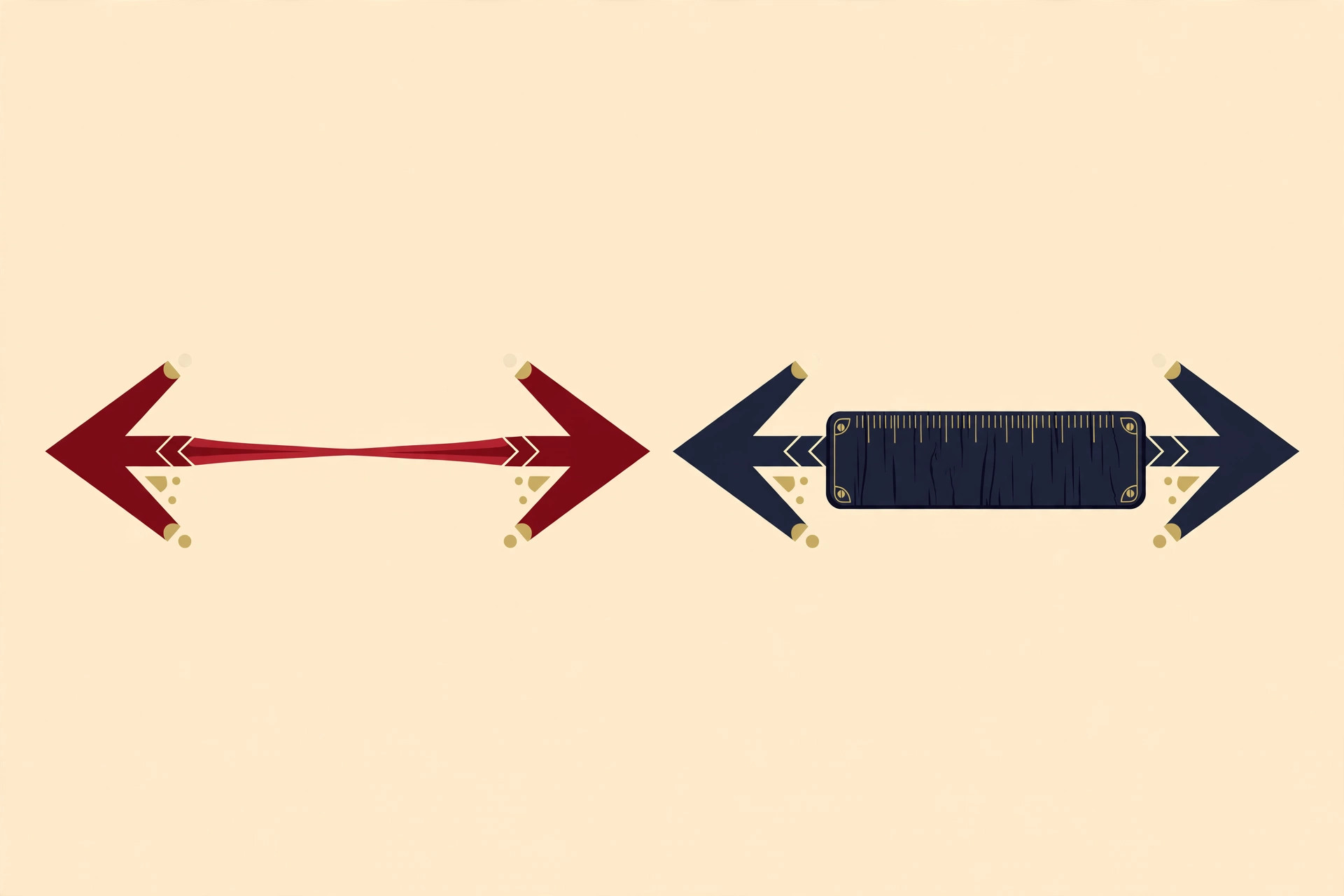
Responsiveness, turned into a number
Elasticity asks a practical question: if the price rises by one percent, by what percent does quantity demanded fall? The answer is the price elasticity of demand: the percentage change in quantity divided by the percentage change in price. A fall of two percent in quantity for a one percent price rise gives an elasticity of minus two, strongly responsive, or elastic. A fall of a tenth of a percent gives minus 0.1, inelastic, barely a flinch. The sign is usually negative and often ignored; the size is the story. The midpoint method in this site's calculator averages the starting and ending values, so the answer is the same whether the price rose or fell between the two points, a small correction that saves endless confusion when comparing studies.
What makes demand elastic or inelastic
Four forces decide. Necessities with no close substitutes, like insulin or basic electricity, are inelastic: people pay what they must. Luxuries with many rivals, like a particular brand of trainers, are elastic. Time matters: demand grows more elastic as buyers get time to adjust, which is why petrol demand barely moves this month but shifts over years as people change cars and commutes. Budget share matters too: nobody shops around over the price of salt, but a five percent rise in rents or airfares commands attention. Firms study elasticity before touching a price, governments before touching a tax. A tax on an inelastic good raises reliable revenue and changes behaviour little, which is why fuel and tobacco are taxed so heavily, while taxing elastic goods mostly shrinks the market.
The revenue test every seller runs
Elasticity decides whether a price rise earns or loses money. If demand is inelastic, raising the price loses few sales, so revenue climbs; this is why a monopolist never prices in the inelastic range, since raising the price there raises revenue and cuts costs at once. If demand is elastic, a rise sheds sales faster than the price grows, revenue falls, and the winning move may be a cut that fills capacity, the logic behind sales, off-peak fares and happy hours. Farmers live the cruel version: a bumper harvest can make the whole industry poorer, because demand for food is inelastic and the extra supply crashes the price more than the volume compensates. One number, honestly measured, separates these worlds. The income and cross elasticity guides nearby extend the same idea to the two other forces that move demand: earnings, and the prices of everything else.