What Is a Recession and How Is It Called?
The rule of thumb and the real test
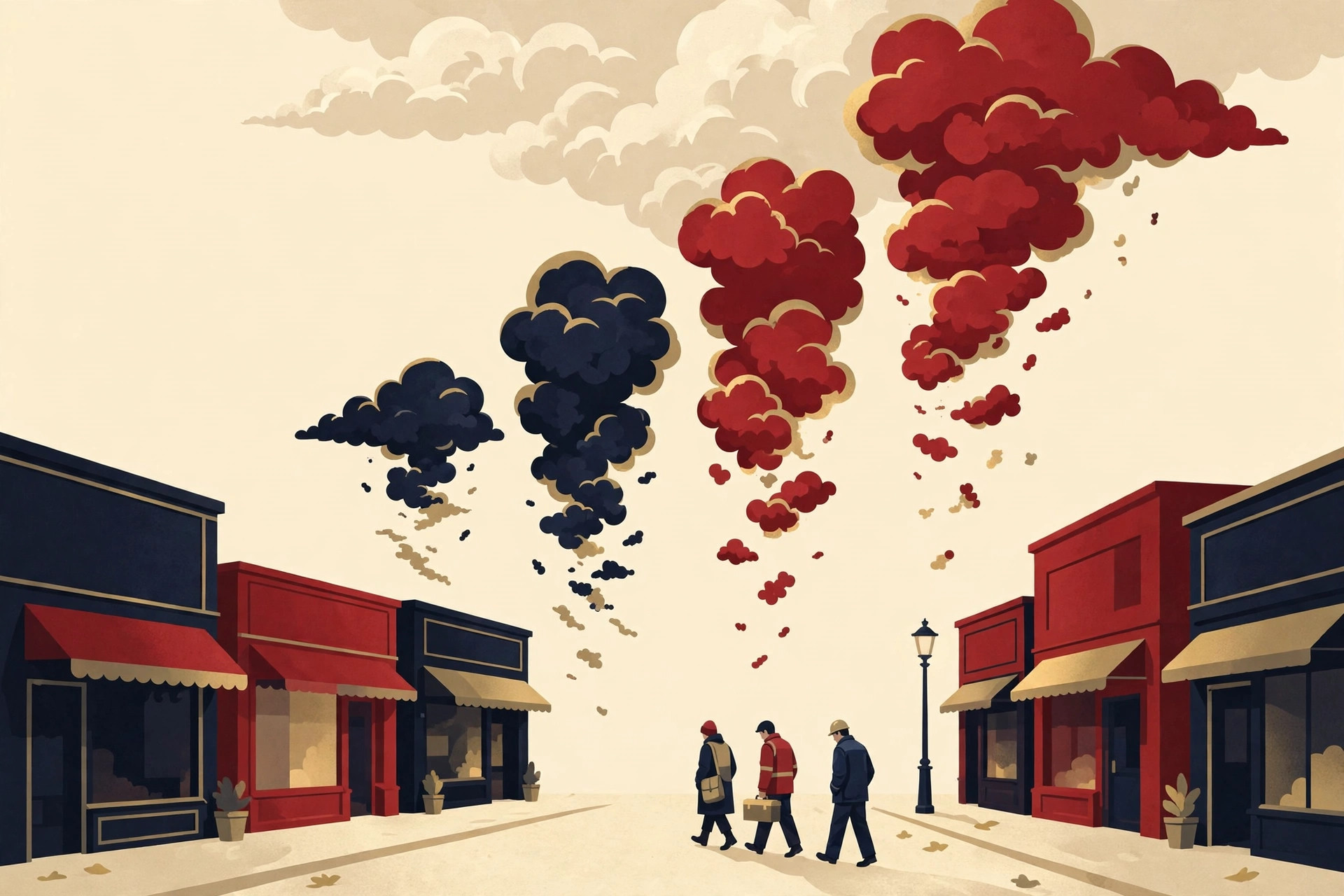
The popular definition of a recession is two consecutive quarters of falling real GDP, and it is a decent first approximation: the GDP growth calculator on this site will show the negative numbers that trigger the headlines. But official calls, where they exist, weigh more than one series. In the United States, the National Bureau of Economic Research defines a recession as a significant decline in activity spread across the economy and lasting more than a few months, visible in output, employment, incomes and sales together. The distinction matters in odd quarters: an economy can post two negative GDP quarters while jobs grow throughout, as the United States did in 2022, leaving economists arguing over a label while the labour market insisted nothing was wrong. Depth, diffusion and duration are the real tests; the two-quarter rule is their shorthand.
What a recession does
However dated, a recession's human signature is consistent: unemployment rises, often quickly; businesses fail at the margin; asset prices fall; and government finances swing into deficit as tax receipts drop and benefit claims climb, the automatic stabilisers at work. Recessions also scar. Workers unemployed for long stretches lose skills and attachment to work, young people entering the jobs market in a downturn earn less for years afterward, and firms cancel the investments and research whose absence lowers growth long after the recovery begins. Economists call this hysteresis, damage that persists after its cause has gone, and it is the strongest argument for fighting recessions early and hard rather than letting them purge weakness, as older doctrines advised. The purge theory mistakes the economy for a forest; the undergrowth it burns is mostly people.
Calling the turn, and why it is late
Recession dating is retrospective: the data are revised, the committee deliberates, and the official start is often declared when the recession is half over. Markets and households cannot wait, so they watch leading indicators instead: yield curves that invert, jobless claims that creep up, orders that thin. Each has cried wolf at times. The practical stance for anyone running a business or a household budget is to treat recession risk as weather risk: not predictable in timing, entirely predictable in kind. Buffers built in good times, cash reserves, low fixed commitments, employable skills, are worth more than forecasts. And when reading GDP releases, remember the deflator and participation guides nearby: falling output with rising employment is a puzzle to examine, not a headline to swallow whole.