How the CPI Is Measured: Inside the Basket
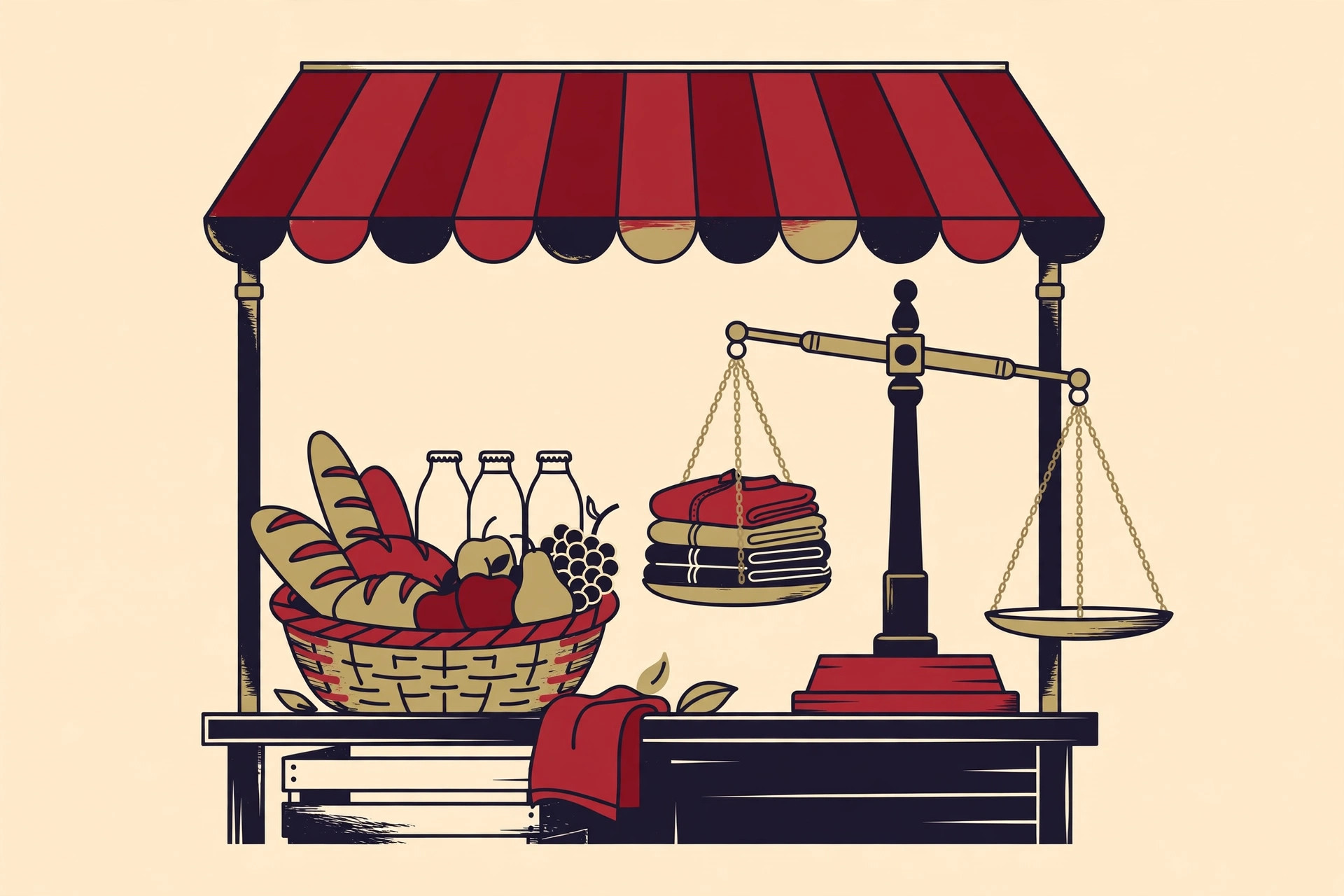
A basket that stands in for a nation
The consumer price index begins with a basket: a fixed list of goods and services meant to mirror what a typical household buys, from bread and bus fares to rent, haircuts and streaming subscriptions. Each item carries a weight matching its share of household spending, so a rise in rent moves the index far more than a rise in the price of pepper. Statistical agencies review spending surveys to update the weights and swap items in and out as habits change; the basket that once held typewriter ribbons now holds smartphone contracts. Inflation is then simply the percentage change in the cost of that weighted basket between two dates, which is the calculation the basket tool on this site lets you reproduce with your own shopping.
How the prices are gathered
Every month, price collectors record the prices of tens or hundreds of thousands of individual items in shops and online, the same items in the same outlets, so the index captures price change rather than a change in what is bought. Quality changes are the hard part: if a laptop costs the same but is twice as fast, has its price fallen? Agencies adjust for quality with statistical techniques, which critics periodically accuse of flattering the figures. Rent is often the single biggest weight and the slowest to move, which is why inflation can feel sticky even when shop prices calm down. The result is published to one decimal place and moves markets, pensions and pay talks, because so many contracts and benefits are indexed to it.
Why your inflation is not the headline
No household buys the official basket. A renter who drives little and cooks at home lives a different inflation from a mortgage-free driver who eats out. When food and energy prices surge, poorer households face higher personal inflation than richer ones, because necessities eat more of their budget; statisticians call this inflation inequality, and several agencies now publish indexes by income group. The practical lesson is to build your own basket once in a while: price the twenty things you actually buy, a year apart, and compare. If your personal rate runs above the headline, a pay rise that matches the headline still leaves you behind. The CPI is a fine national average; it was never designed to be your number. Several countries now publish experimental indexes for different household types, a quiet admission that one national number was never the whole story.