Terms of Trade: Getting More for What You Sell
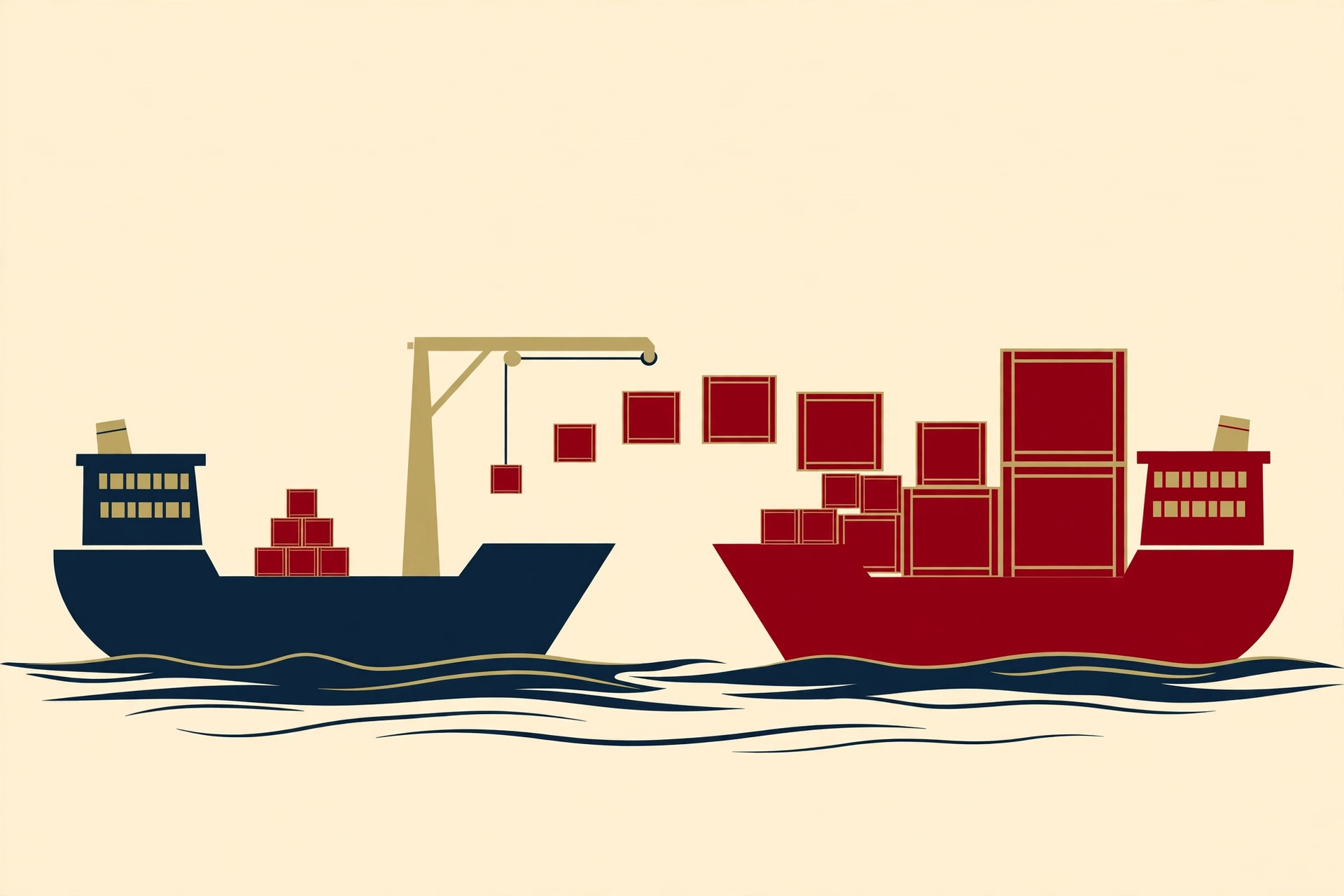
Getting more for what you sell
The terms of trade compare the prices a country receives for its exports with the prices it pays for its imports: export price index over import price index, times 100. At 110, export prices have risen ten percent more than import prices since the base year, so every shipment sold now buys ten percent more imports than it did. No extra goods were produced and no factory improved; the country is richer purely because the world's prices moved in its favour. Commodity exporters live this index in their bones. When oil, copper or coffee prices surge, their terms of trade leap and national income follows, funding booms that feel like skill and are largely weather. When the cycle turns, the same arithmetic runs in reverse with interest, which is why the index is the first thing analysts check in a commodity economy's crisis.
Windfalls, and what they hide
An improving terms of trade is a genuine gain, but it flatters. It can mask stagnant productivity, because income rises while efficiency stands still, and it invites governments to spend a windfall as if it were a salary. The classic error is borrowing against permanently high export prices; the correction, when prices fall, arrives as a fiscal crisis. There is a subtler trap for successful manufacturers: a country that grows by exporting ever more can push its own export prices down through sheer volume, immiserising growth, where the terms of trade fall faster than output rises. The index also says nothing about volumes: a country can enjoy superb prices on a shrinking export base. Read it as the price half of the trade story, to be paired with the balance and volumes in this site's trade balance calculator before any verdict on performance.
The long slide and the arguments around it
One of economics' oldest empirical claims is that primary commodity prices fall relative to manufactured goods over the long run, the Prebisch-Singer hypothesis, which would condemn commodity exporters to deteriorating terms of trade unless they industrialise. The evidence is genuinely contested: long studies find a slow downward drift for many commodities punctuated by violent cycles, while the rise of manufactured exports from Asia pushed factory prices down too, scrambling the old pattern. What is not contested is the policy moral drawn from the index's volatility alone: diversify exports, save windfalls in stabilisation funds, and never build a permanent budget on a temporary price. The terms of trade are the economy's exchange rate with reality itself, the rate at which its work converts into the world's goods, and no government that ignores it stays ignorant for long.
Run the numbers yourself
The free calculator that goes with this guide:
Calculate the terms of trade